 🇮🇳 India
Hyderabad
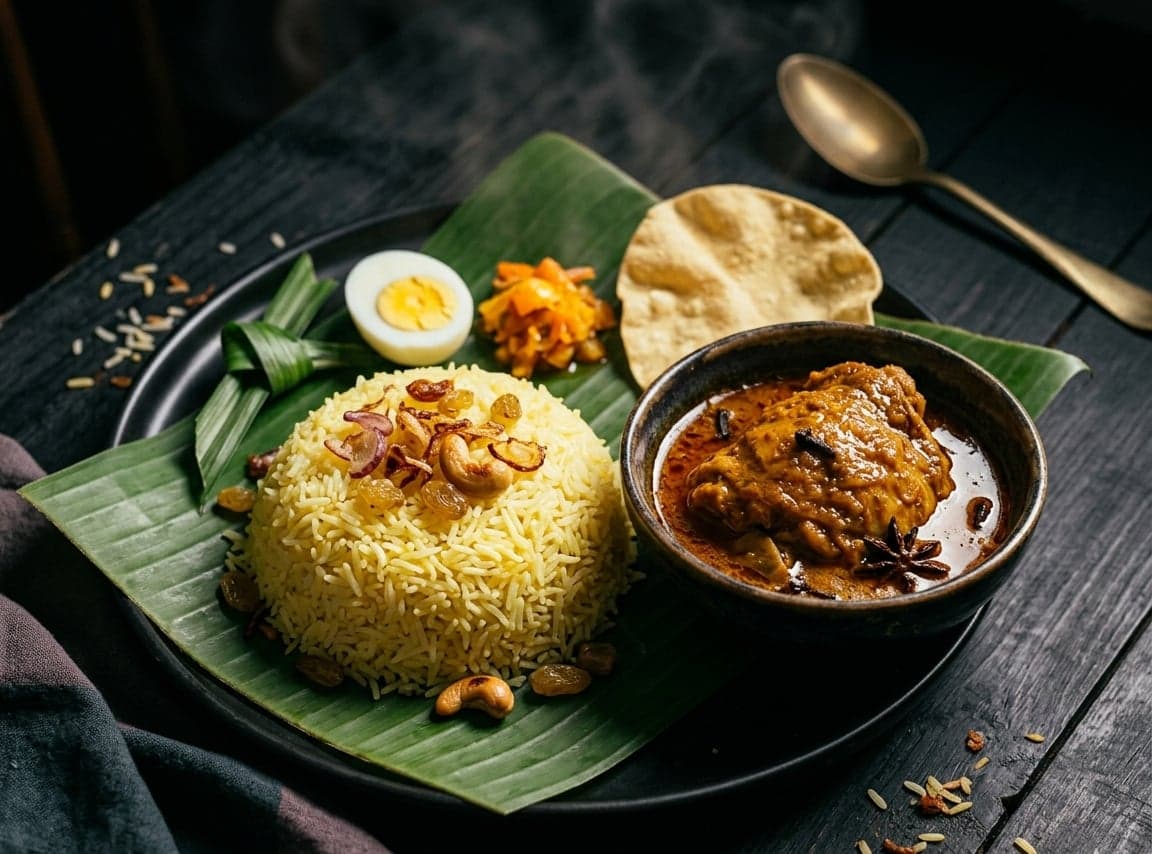
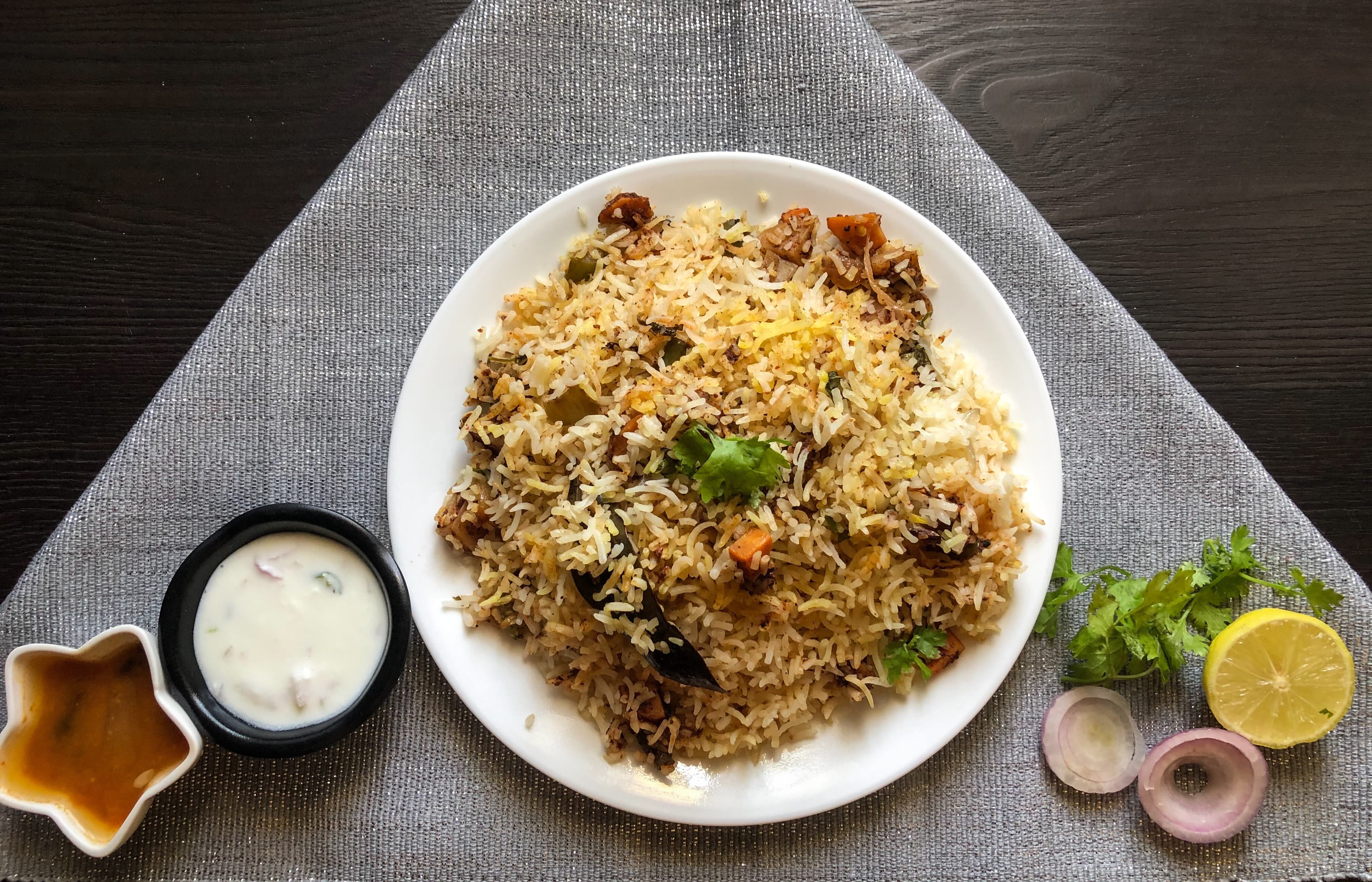
Hyderabadi Kacchi Biryani
The king of all biryanis. Raw marinated mutton and par-boiled rice sealed in a handi — the most technically demanding biryani on Earth.
Advanced6 hours
Five regions, 14 biryanis. Each block opens with a short note on what unites the dishes — and what separates them.
Or browse the filterable gridThe epicentre of biryani civilisation. From the Mughal courts of Delhi and Lucknow to the Nizam's palace in Hyderabad and the Kerala coast, India alone holds twenty-plus distinct named styles.
The Nizam of Hyderabad's court allegedly used 78 distinct masala components in their royal biryani. Modern recipes use 20–24.
🇮🇳 IndiaThe king of all biryanis. Raw marinated mutton and par-boiled rice sealed in a handi — the most technically demanding biryani on Earth.
 🇮🇳 India
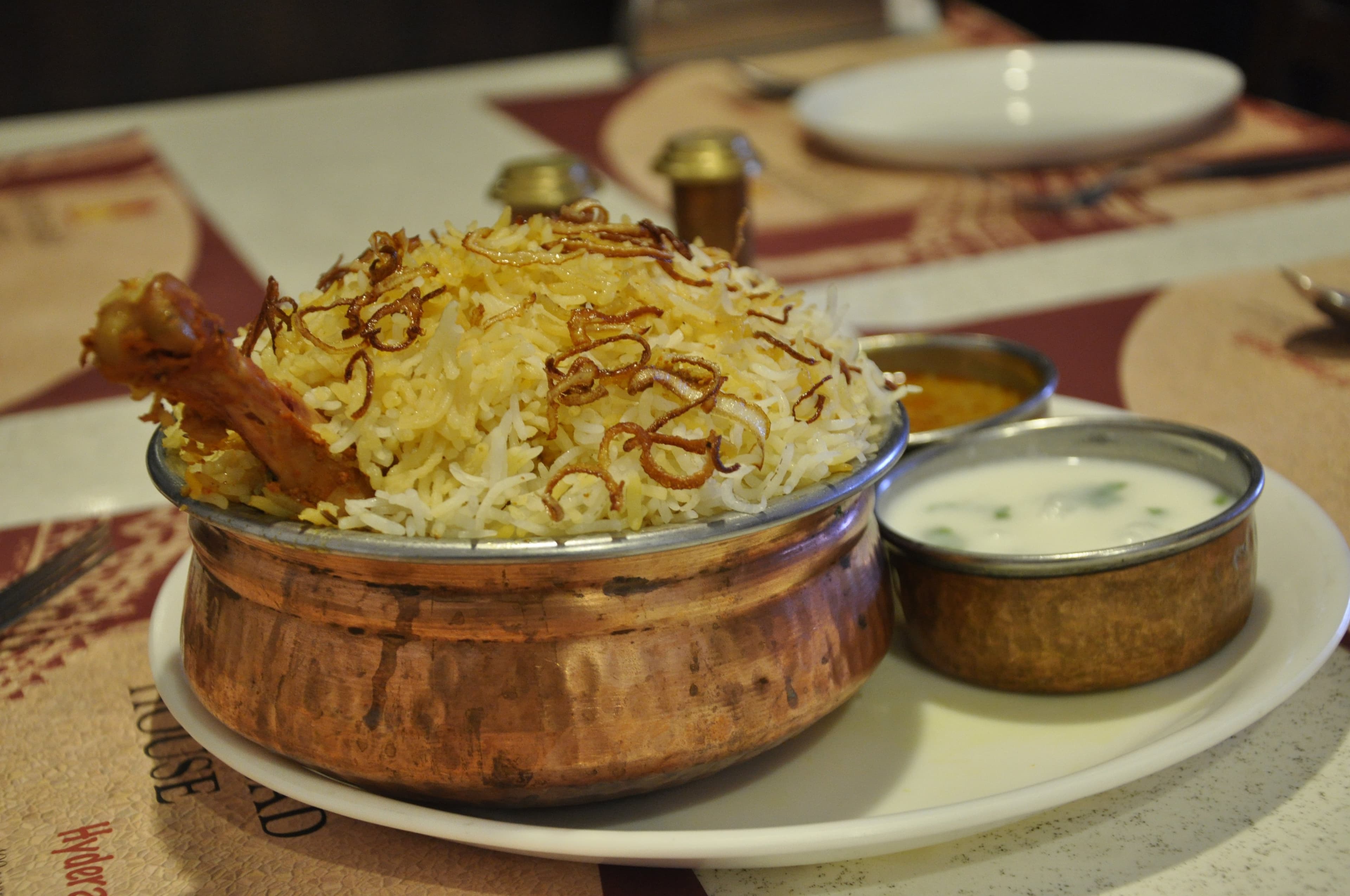
The restaurant standard — chicken cooked first in a masala, layered with par-boiled rice, finished in a sealed dum. More forgiving than kacchi, equally magnificent.
 🇮🇳 India
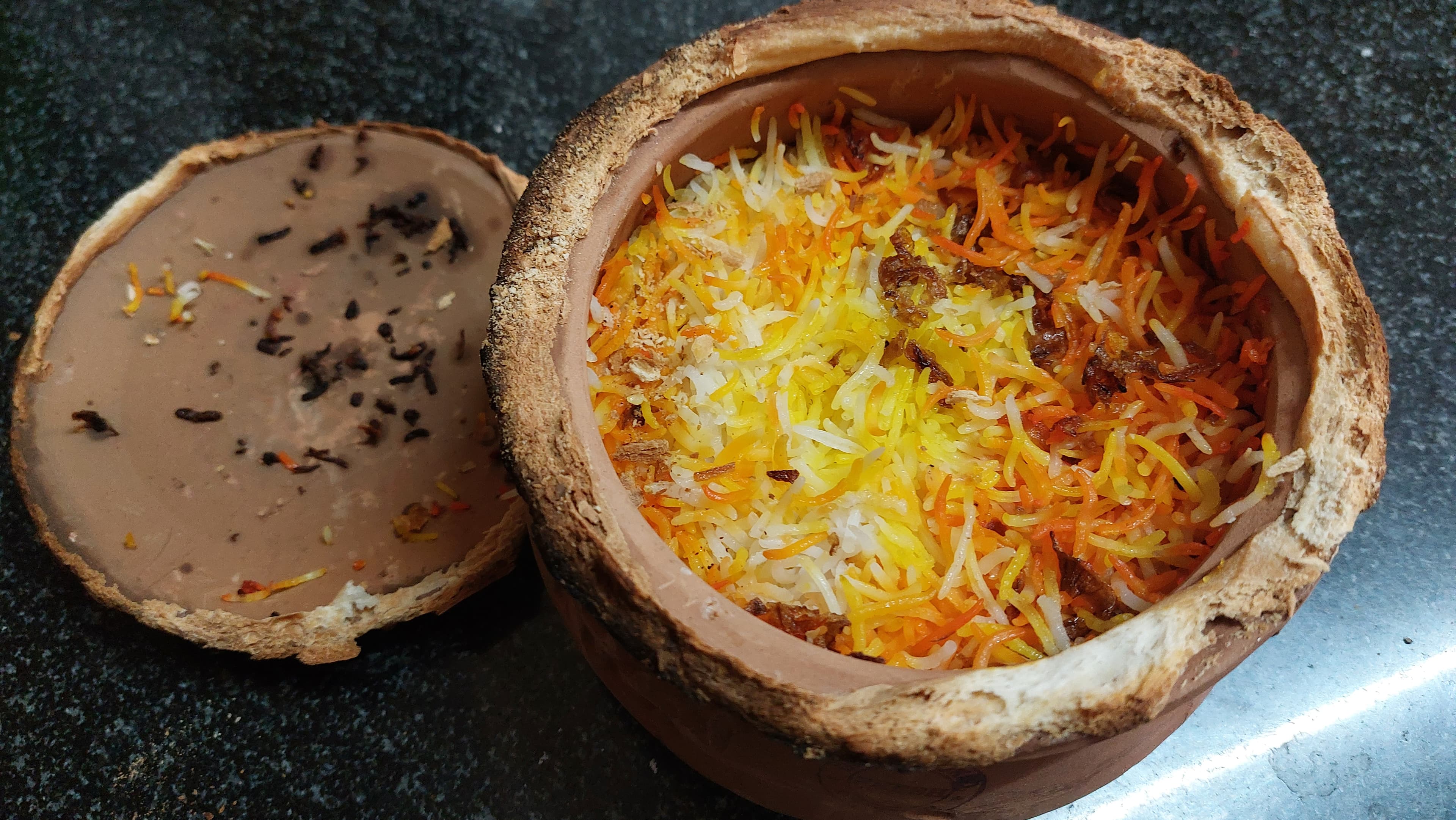
The perfumer's biryani. Meat slow-cooked in aromatic stock, layered with rice perfumed with rose water, kewra, and meetha attar. Subtle, floral, refined.
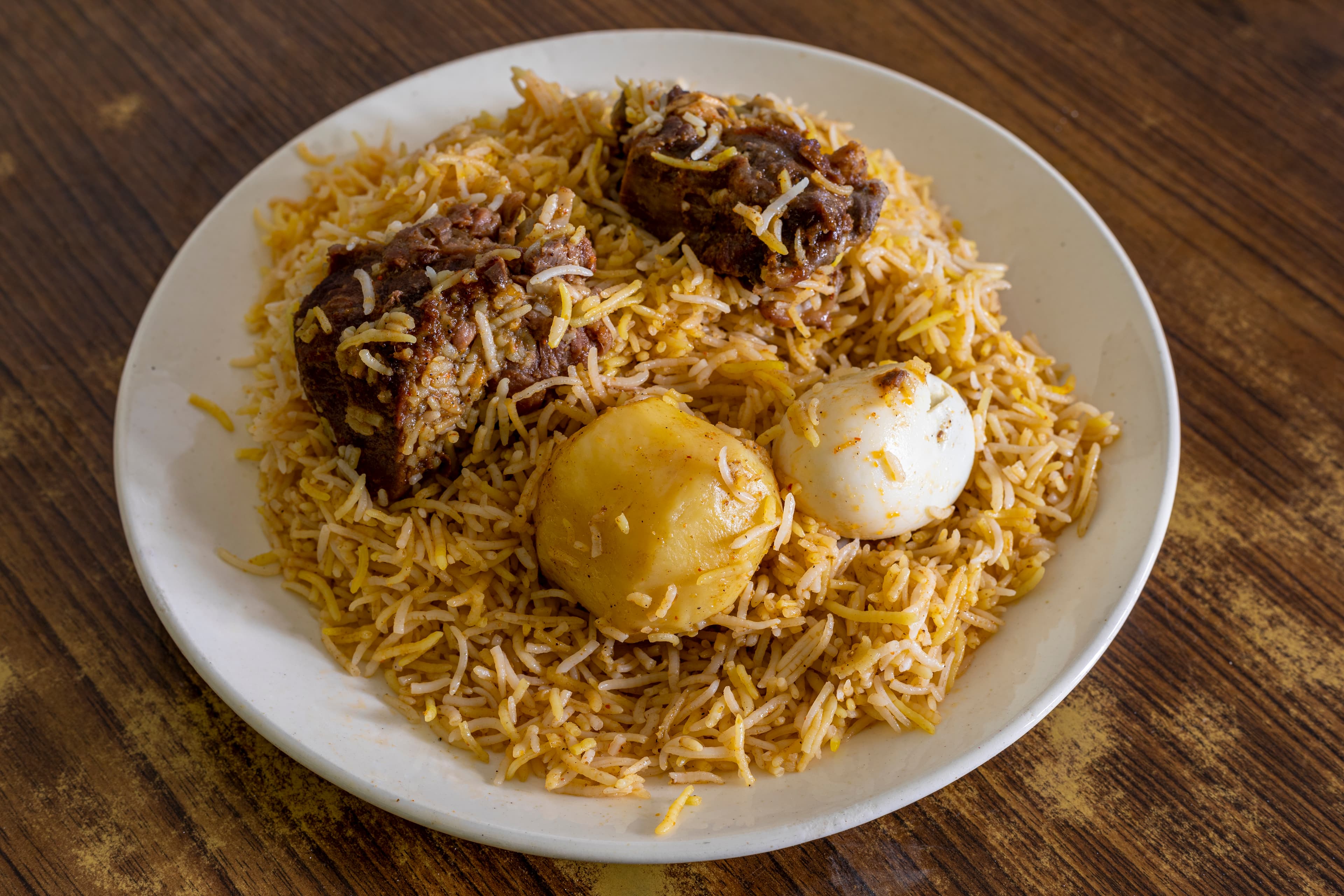 🇮🇳 India
Born in exile. The last Nawab of Awadh brought his royal chefs to Bengal in 1856. The potato entered biryani as a luxury novelty — and became its soul.
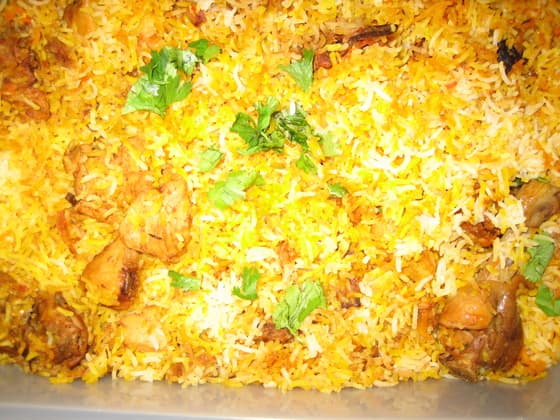 🇮🇳 India
Kerala's coastal aristocrat. Uses tiny Kaima/Jeerakasala rice — not basmati. Fennel-forward spice, raisins, cashews, and the gentlest dum in Indian biryani.
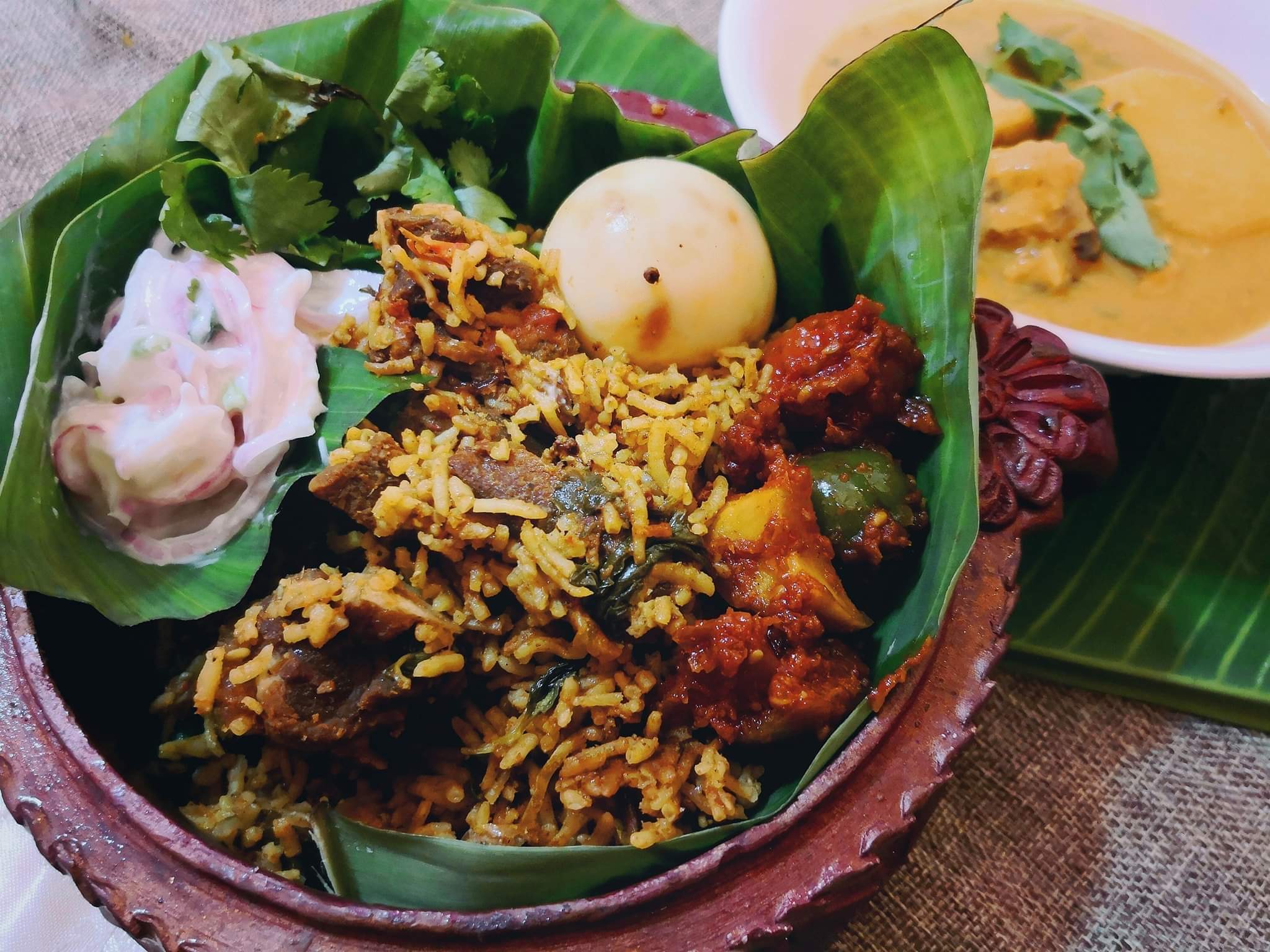 🇮🇳 India
The wood-fire biryani of Tamil Nadu. Seeraga samba rice, a soaked red-chili paste (not powder), and a legendary meat-to-rice ratio. Always served with dhalcha.
Home to the world's most spiced (Sindhi) and most fragrant (Bangladeshi kacchi) biryanis. Karachi's Student Biryani, founded 1969, now operates globally.
Fakhruddin Biryani in Old Dhaka serves over 50,000 plates of kacchi on Eid days. The family recipe has never been written down.
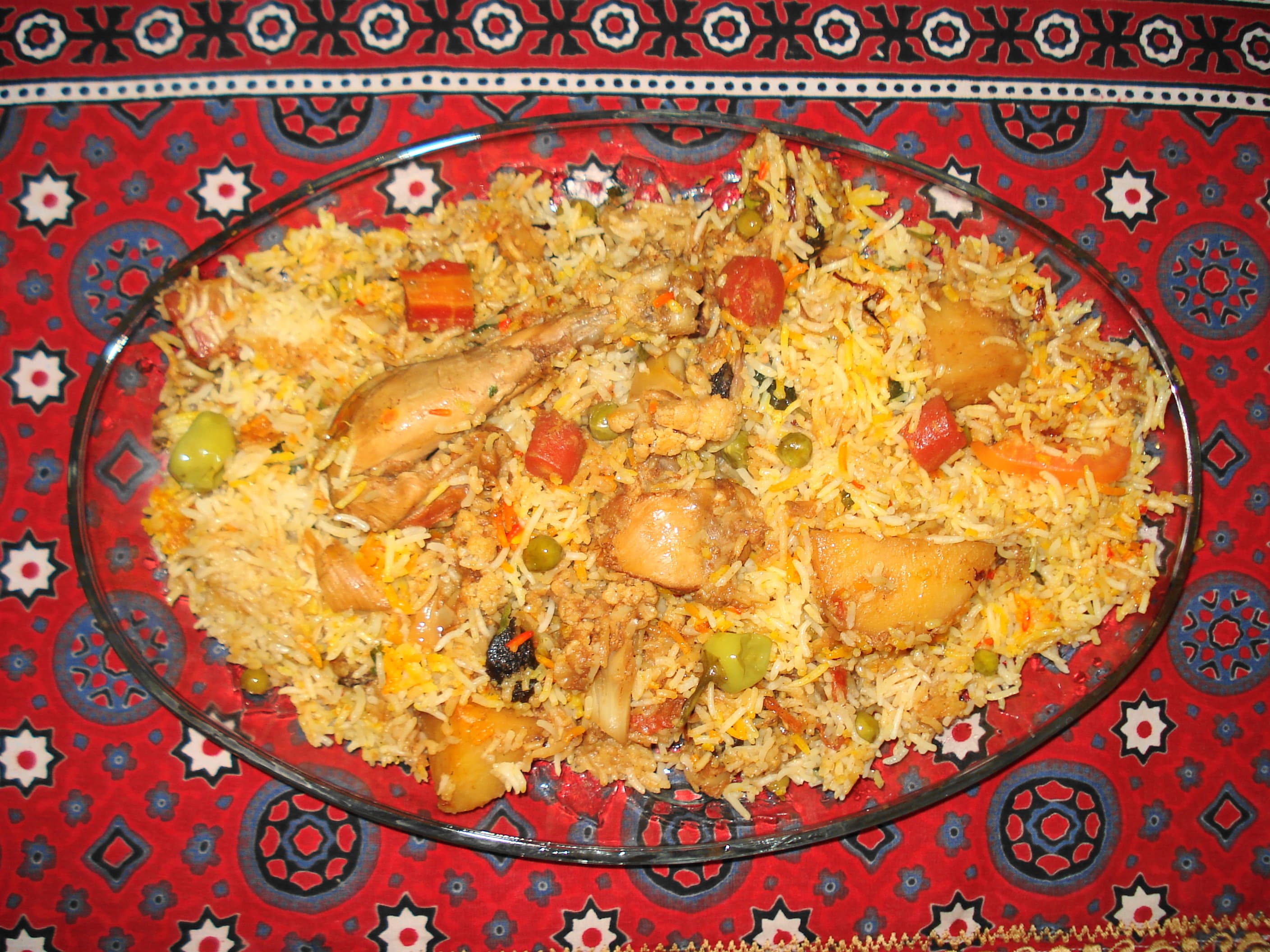 🇵🇰 Pakistan
Pakistan's national biryani — heavily spiced, tangy with tomatoes and dried plums, visually a deep red-orange. The Shan spice box made it famous worldwide.
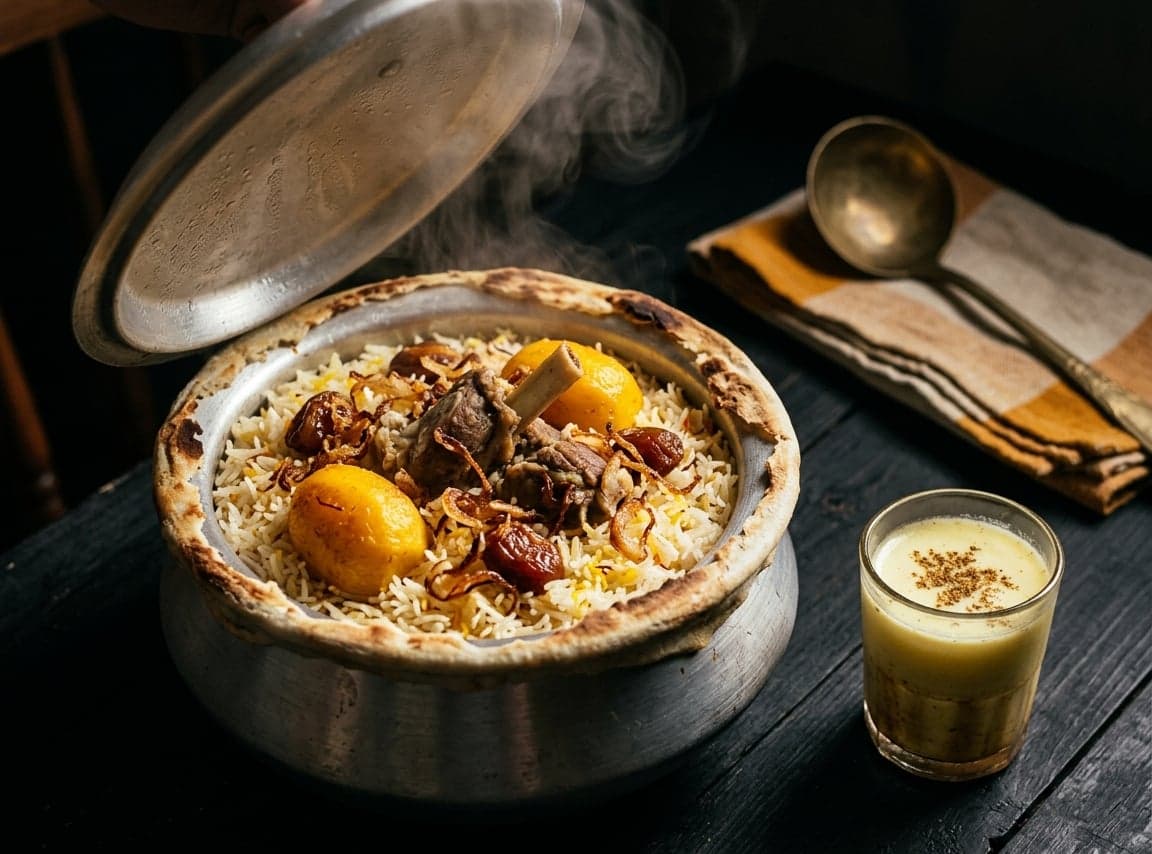 🇧🇩 Bangladesh
The centerpiece of Old Dhaka weddings. Raw marinated mutton, par-boiled rice, fried potatoes — fragrant and gentle, not spicy. A kacchi tradition entirely distinct from Hyderabad.
The Arab world gave biryani its Persian DNA. Yemen's underground-pit mandi and Saudi Arabia's kabsa are the living ancestors and siblings of South Asian biryani.
The 13th-century Aleppan cookbook Kitab al-Wuslah describes underground-pit meat roasting — the direct ancestor of Yemeni mandi.
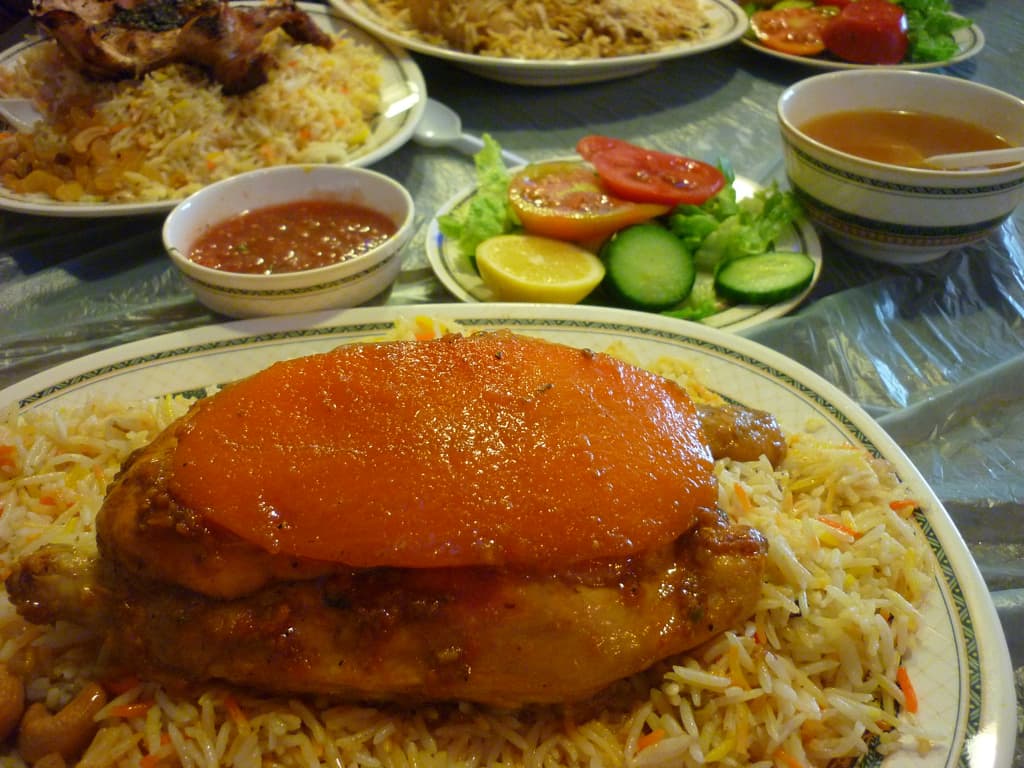 🇾🇪 Yemen
The ancestral pit-fire rice of Yemen. Whole chicken rubbed with hawaij, rice absorbs the dripping juices below, all sealed in an underground tannour. The charcoal smoke is the secret.
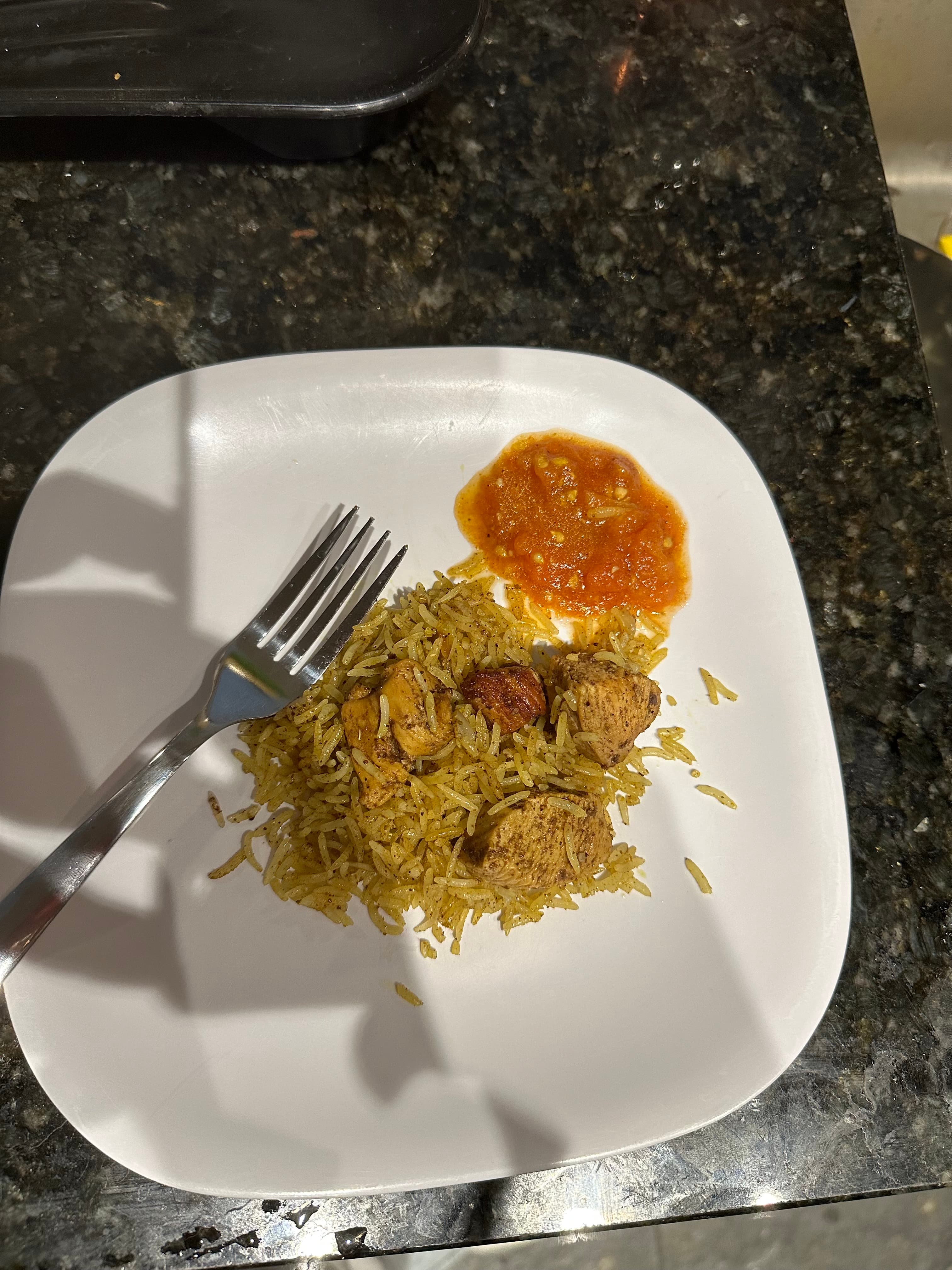 🇸🇦 Saudi Arabia
Saudi Arabia's unofficial national dish. Unlike biryani's layered architecture, kabsa cooks rice and meat together from the start. Loomi — dried black lime — is the soul.
Biryani arrived via Tamil Muslim traders, Arab merchants, and British colonial networks. Each culture added pandan, lemongrass, coconut milk, and evaporated milk.
Burmese danpauk is the only major biryani outside South Asia whose name is a direct phonetic borrowing of the Persian term dum pukht.
The Indian Ocean monsoon trade carried biryani along the Swahili Coast. Zanzibar's clove-and-rose-water biryani and Cape Town's brown-lentil breyani are its most distinctive results.
Cape Malay breyani is the only biryani in the world layered with brown lentils — a uniquely South African innovation from the VOC colonial era.
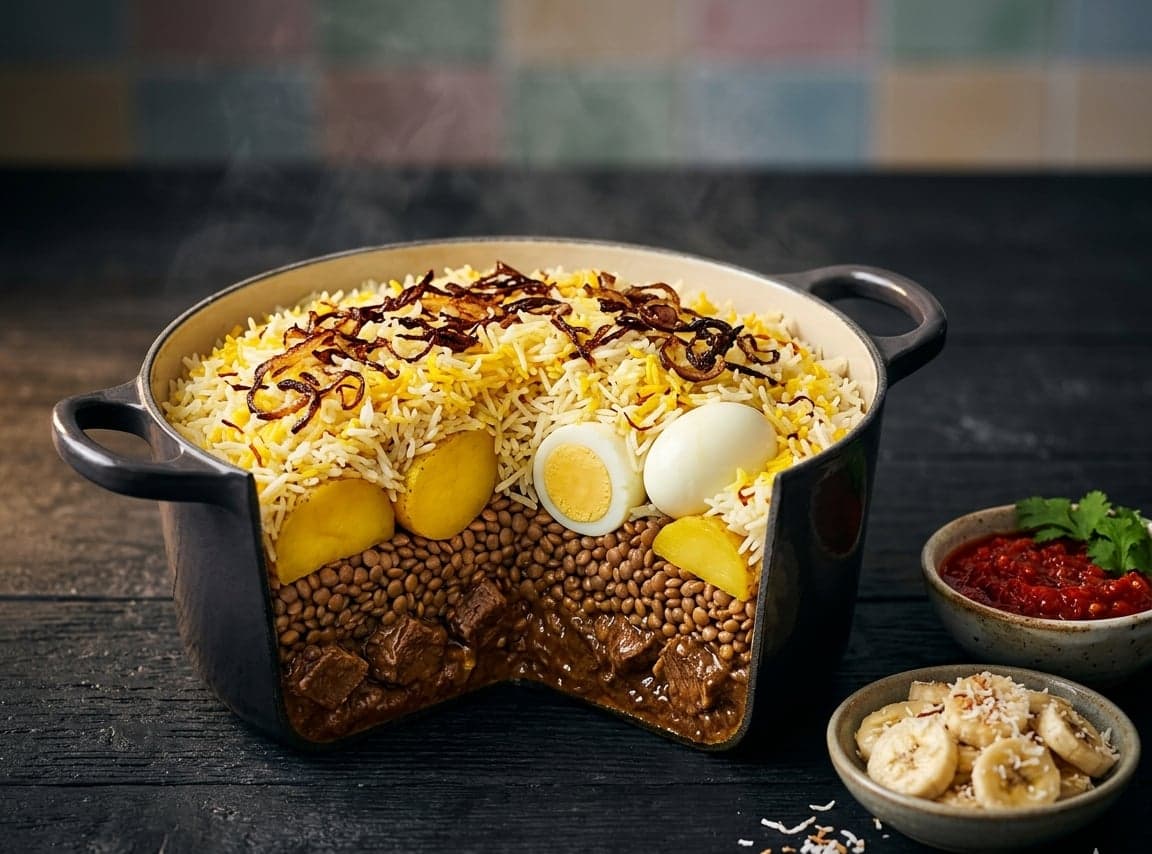 🇿🇦 South Africa
The most unique biryani on Earth. Created by enslaved cooks from Java, Bengal, and India in 17th-century Cape Town. The brown lentil layer exists nowhere else in the world.
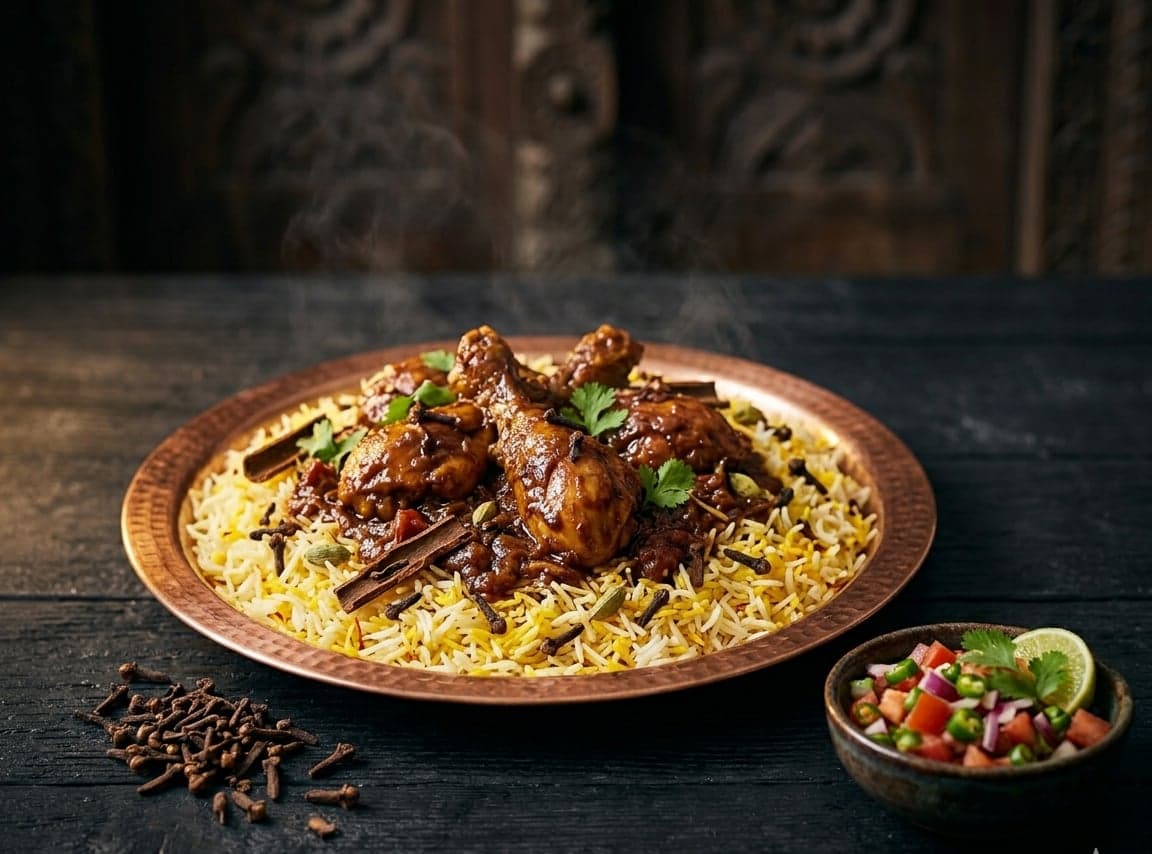 🇹🇿 Tanzania
The Swahili Coast crown. Zanzibar — spice island, clove capital — created a biryani perfumed with its own cloves and rose water. The Indian Ocean trade in one pot.
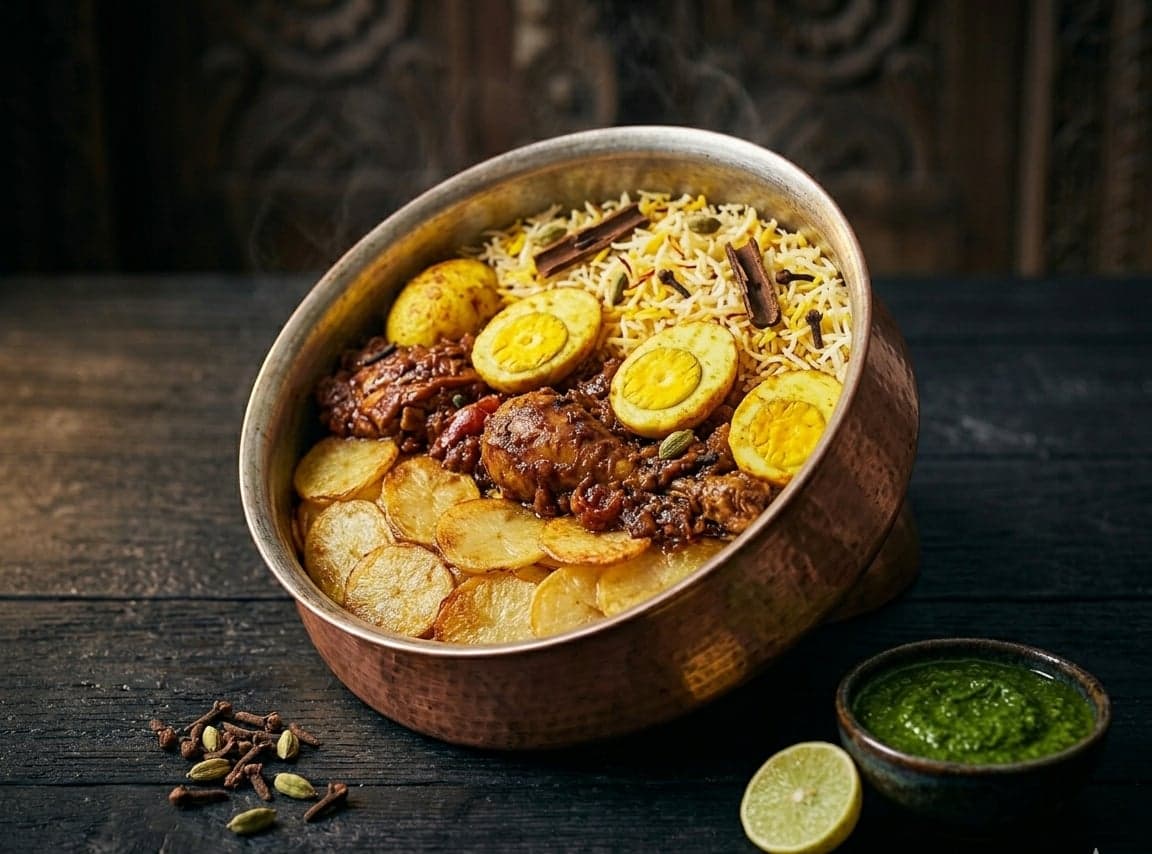 🇲🇺 Mauritius
Mauritius's wedding centrepiece. Cooked in a copper deg pot lined with sliced raw potato to prevent sticking. Accompanied by mazavaroo — a fierce Mauritian green-chili paste.